
If you have been following my blog posts, you would know I joined the rabbit hole of Leica rangefinders the autumn of 2019 via the MP Typ240. As with most of us, somehow we tend to use our M rangefinders for capturing documentary or street-action focused shots. Prior to the M cameras, I have hardly kept my F-stop at F8, much less F11. Since shooting my M240, I have become endeared to the idea and practice of “zone focusing”. However, I always wondered, how much more analogue and manual can I get in my photographic journey with the M cameras. How can I even slow down even more to be in the generous present moment?

I started reading up fellow M shooters, particularly those whose photographic sojourns encompass shooting with film cameras. Truth be told, I actually had a Canon AE-1 lying around my father’s house which I shot around 3 rolls of Portra400. Being born in 1976, I had the benefit of shooting film in the 80s but I never remembering bothering so much with the look of the film. The selection of shots I liked from shooting the Canon AE-1 was enough to pique my interests in moving my rangefinder experience to the analogue side of things .
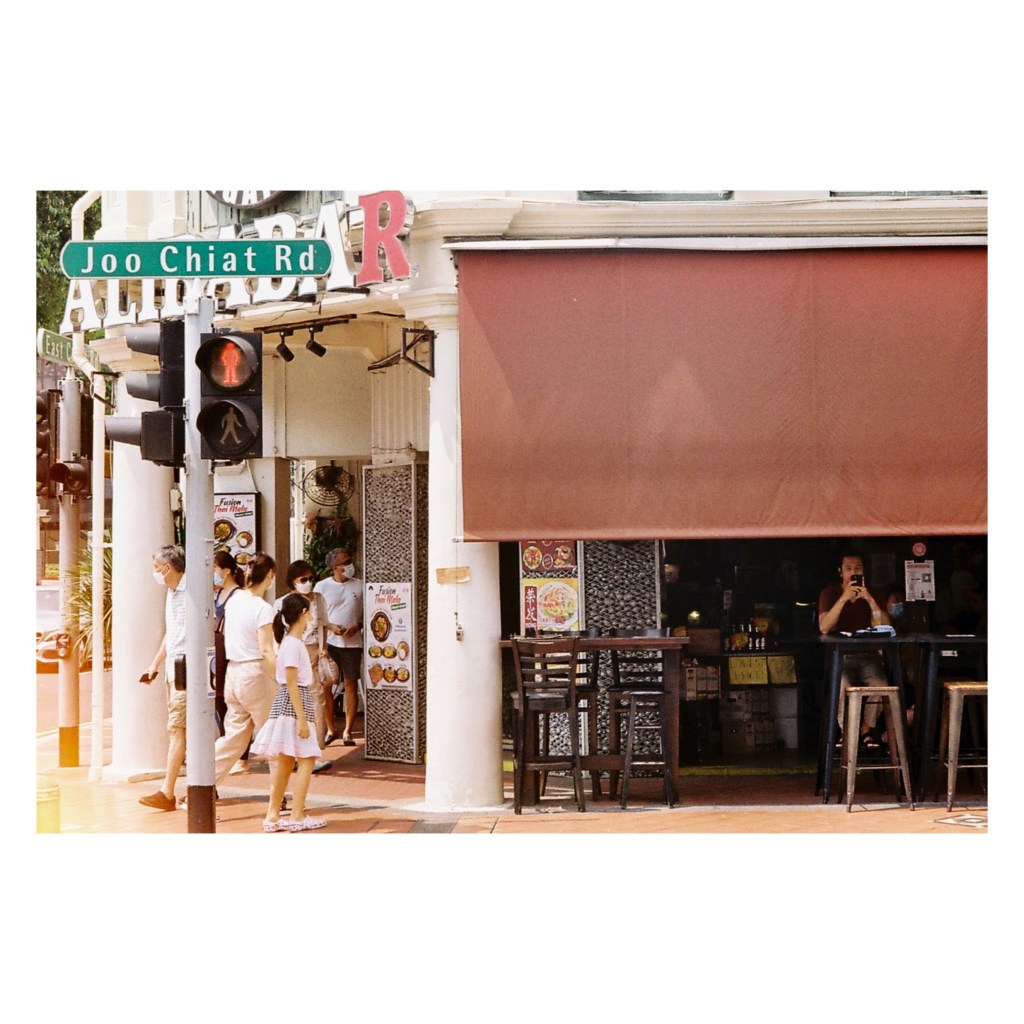
My feet have a life of their own. I’m often amazed at where they land me as I do my walkabouts with my M240. One afternoon, I strangely found myself speaking to my local pre-loved Leica dealer about film Leicas. I was dumbfounded with the options…M3s, M4s, the everyman’s Leica M6, newish Leica M7s, and of course the venerable MPs and the back to basics M-A. Perhaps more perplexing and shocking for me were the prices they commanded in 2021. USD2.7k for a used M6 was..for a lack of better words enough to kill my initial enthusiasm. This was a camera that could match my age in production years with the price of a current Sony “technology decked-out” A73. So, I humbly put my tail between me and walk off with the knowledge that to shoot film on Leica rangefinders were only for the truly well-heeled or those who actually hung on to them from the 70s and 80s.

It was one fateful saturday afternoon when I was sheltering myself from the sudden torrential rain that I clumsily tumbled back in the same building as where my favourite pre-loved Leica dealer put up shop. I told you my feet have a life of their own in bringing me places beyond my mind’s intent. Tucked somewhere amidst the range of pricey M6s was a little slightly beat-up M4P.
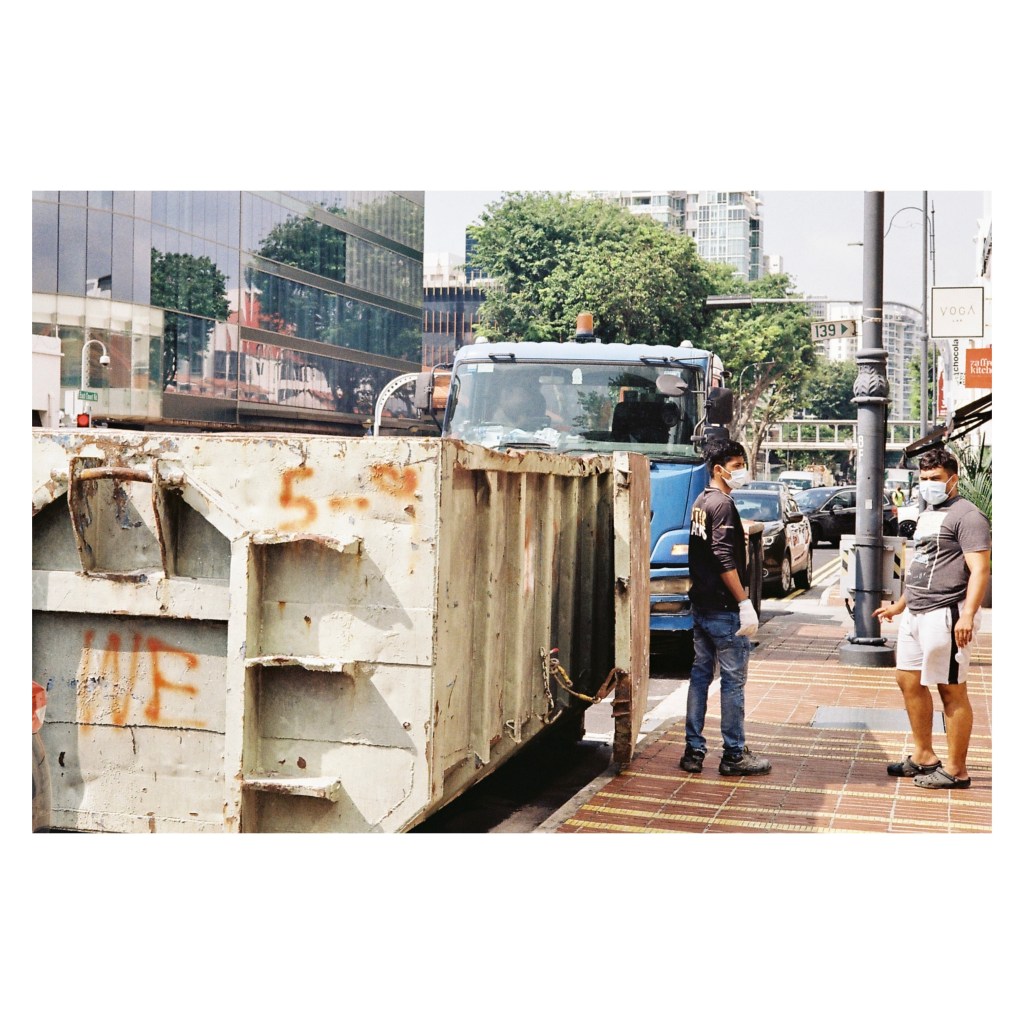
Now, I almost in my sojourns and research wanted to own a M3 or even M4 but the fact that I do like shooting 28mm on my Elmarit ASPH was enough to put off my purchasing intent towards those legendary cameras. Here the M4P, in its iteration has that 28/90 framelines. More importantly, it had the body shape that I really wanted during a period of agonising decision making where I was trying to persuade myself the M5s were really the underdog camera to get in 2021.
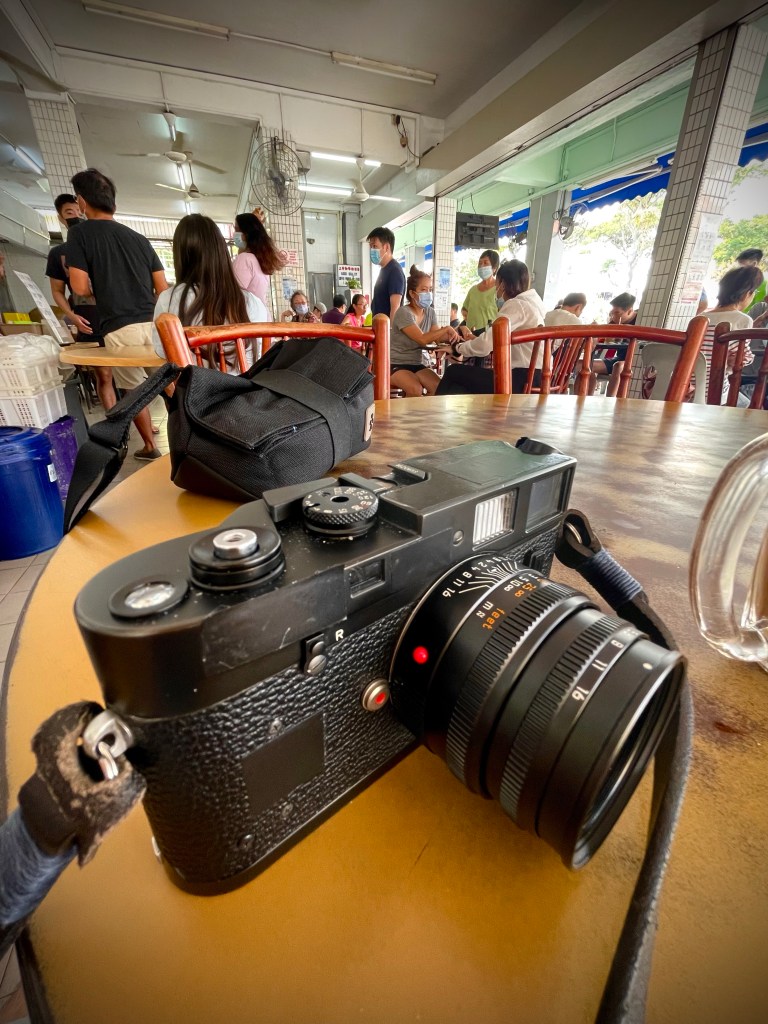
The only reason I couldnt bring myself to part with USD1.5k for a M5 was the shape departed too far from what would be the classic Leica design language. So for slightly bit more than the M5 at USD1.8k, I decided agaisnt logic and went away beaming ear to ear with my first film Leica. The M4P. The first thing I did was to tape up in black the red-dot on its right body. and all Leica script.
There is something magical about owning a camera that is pretty much as old as you. The M4Ps were launched around the late 1970s to early 1980s and this was right smack in where I was born into this world. This camera held up pretty well, I thought, maybe much better than how I held up all those 47 years of my life.

And perhaps it will continue to hold up even better as we humans move through entropy. Or is there a way out of this? Is there a way to move into syntropy? I digress. Perhaps what was more important next was film. Not so much what film but the madness of the cost of film…coupled with the availability of developing slide film.
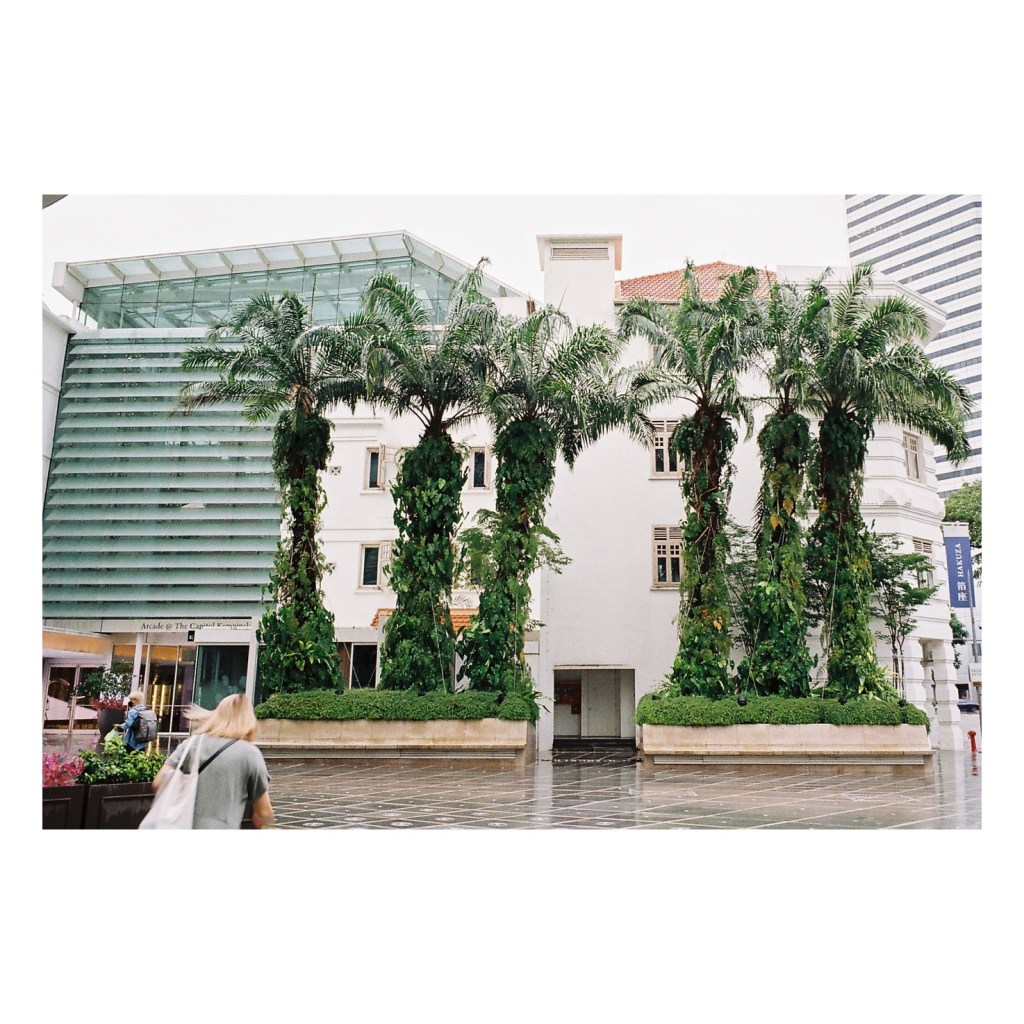
You see, I have been a past owner of 2 Fujifilm X100s, the X100S and X100F. One of the reasons I actually owned them…and sold them for a X-Pro3 (which I will one day write about for sure) was that I was beyond impressed with the out of camera JPG look of their film simulations. Fujifilm was the only camera I didnt shoot in DNG. The JPGs were usable for my personal photographic expense. And I wanted to shoot slide film on my M4P now. Only problem is in Singapore, the typical photolabs no longer process slide film and the remaining few take 1 full month to get it done, at a price that was something hard to swallow. Well, we do have our friendly neighbour over at Malaysia whom many have shipped rolls of slide film for development at a faster and cheaper pace.
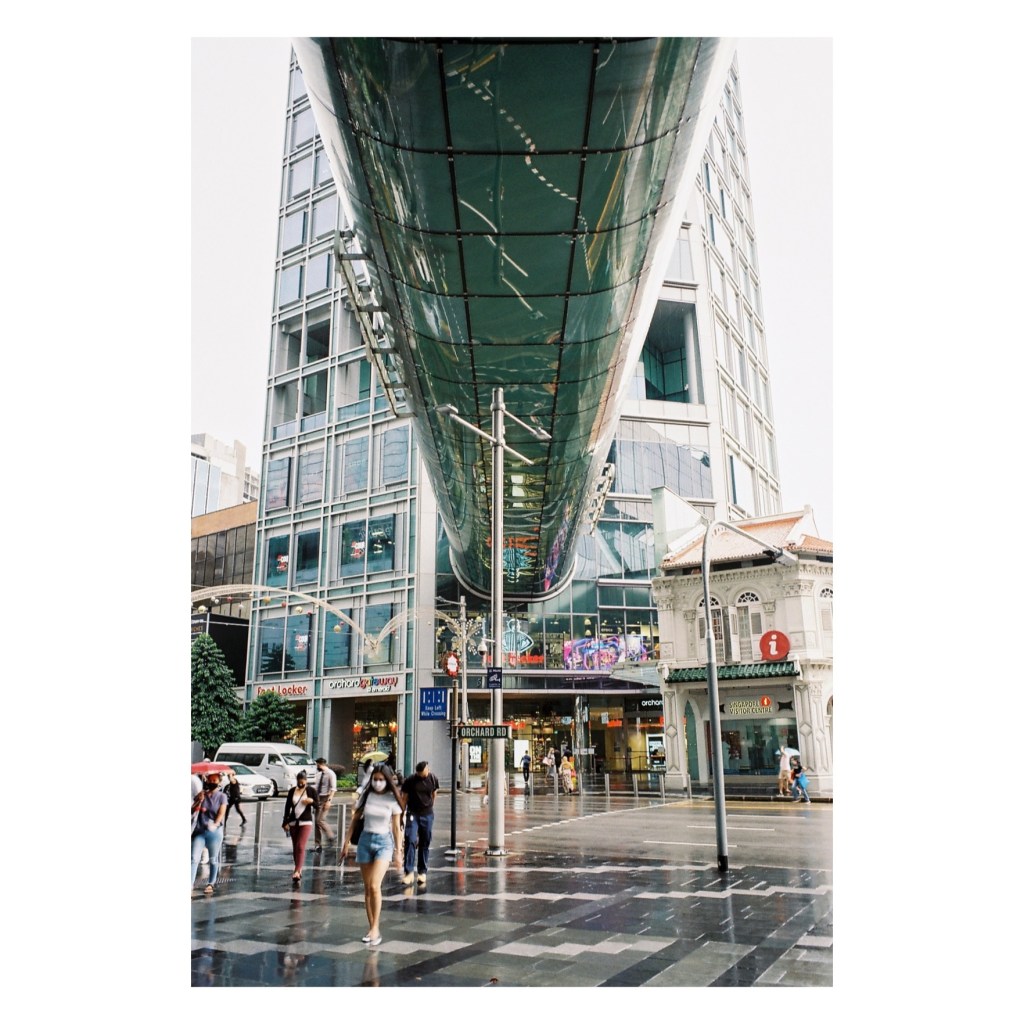
I was no pro photographer in film though. And the M4P was a tool that was to help me better my photography so no way I will go 1 month of wait time between rolls of films. So rolls and rolls of Portra400 and Ektar100 made its way into my crummy M4Ps. Which I procedurally ruined because in shooting digital, I have forgotten how to read “the light”. The M4P did not have a light meter. I did not know that in my research. Too much time spent reading up on M6s I guess. This was duly a blessing in disguise.
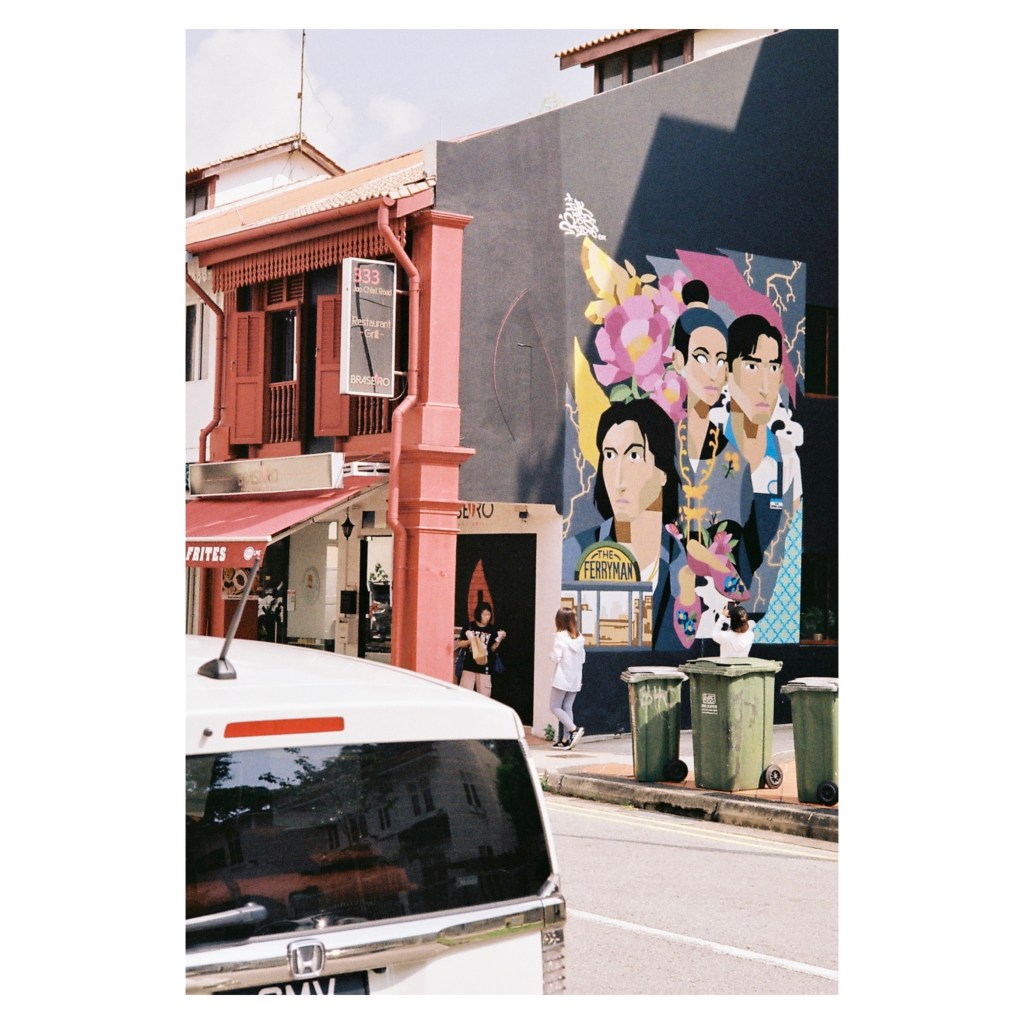
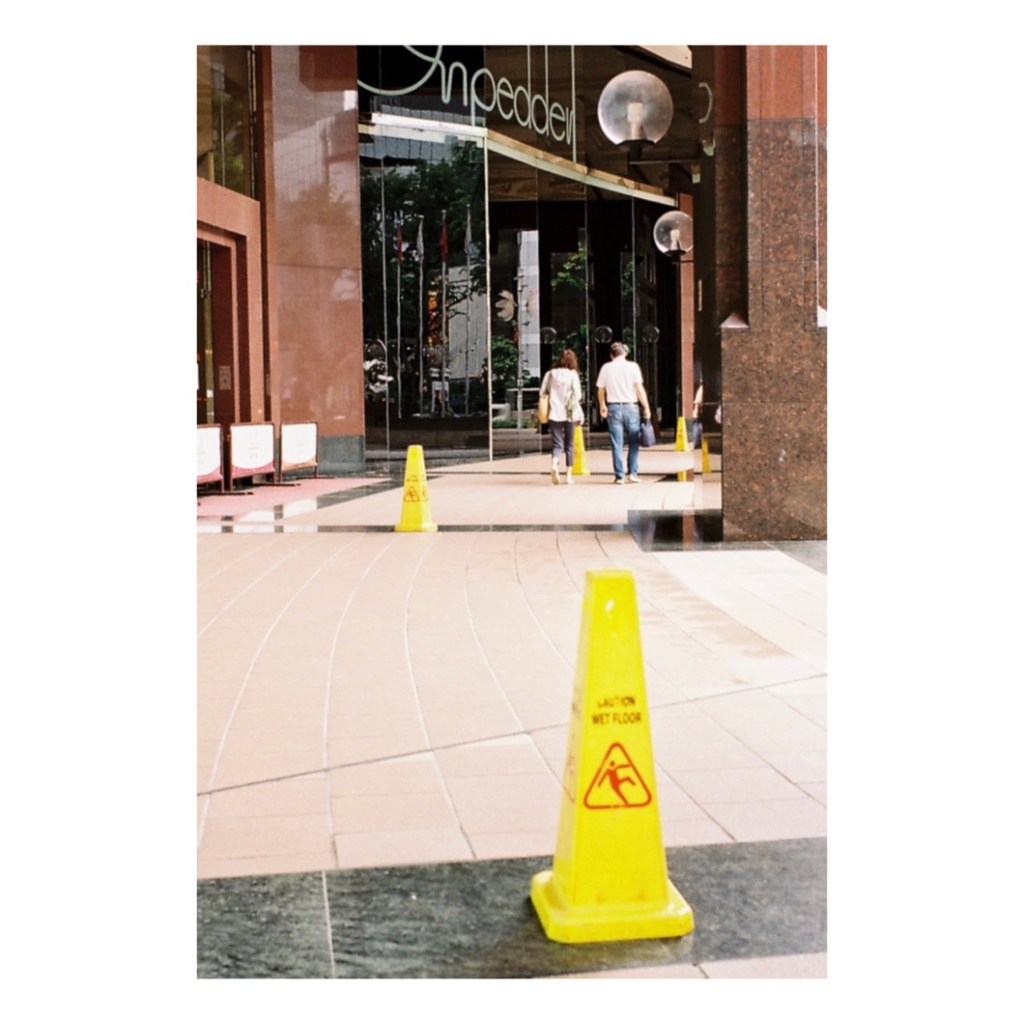
Reading the light and the needed exposure settings was perhaps the one period where my photographic ability increased exponentially. Years and years of shooting Canon, Sony, Panasonic could not compare to 4 months I had shooting film with no light meter. As you could see, some of the pictures I made here were slightly over-exposed or under-exposed. Strangely, this way of shooting carried forward over to my digital M240. My photography was finally instinctive, fast like the Magnum photographers of past years, and most importantly I felt truly in the moment with my camera.

I started photography in my late twenties with a Nikon DSLR. I never took it off auto ISO with the most manual I ever went being aperture priority. With my interest in street, DSLRs in the 2000s couldnt work for me like the Fujifilm X100 cameras. Yet those didnt really give me the pictures I wanted.
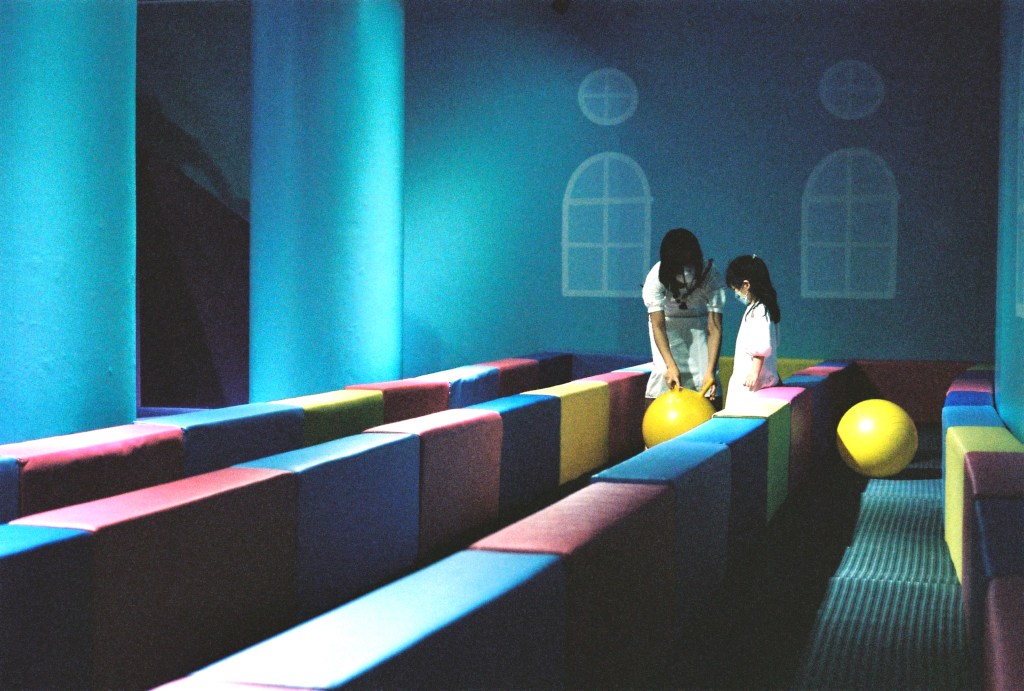
Nearly 2 decades on of pretty much mediocre photography, start-stop interests that took me away from making pictures, sudden fascination with moving pictures cameras…ok…perhaps more vlog cameras than moving pictures…I finally understood a little, glimpsed a little light and made my small little way into making proper pictures. And this came from a camera in 2023 as old as me. Perhaps technology does not really breed progress in this case …for me. To be continued…

 The analogue romance
Leave a comment